Every agent needs its own identity
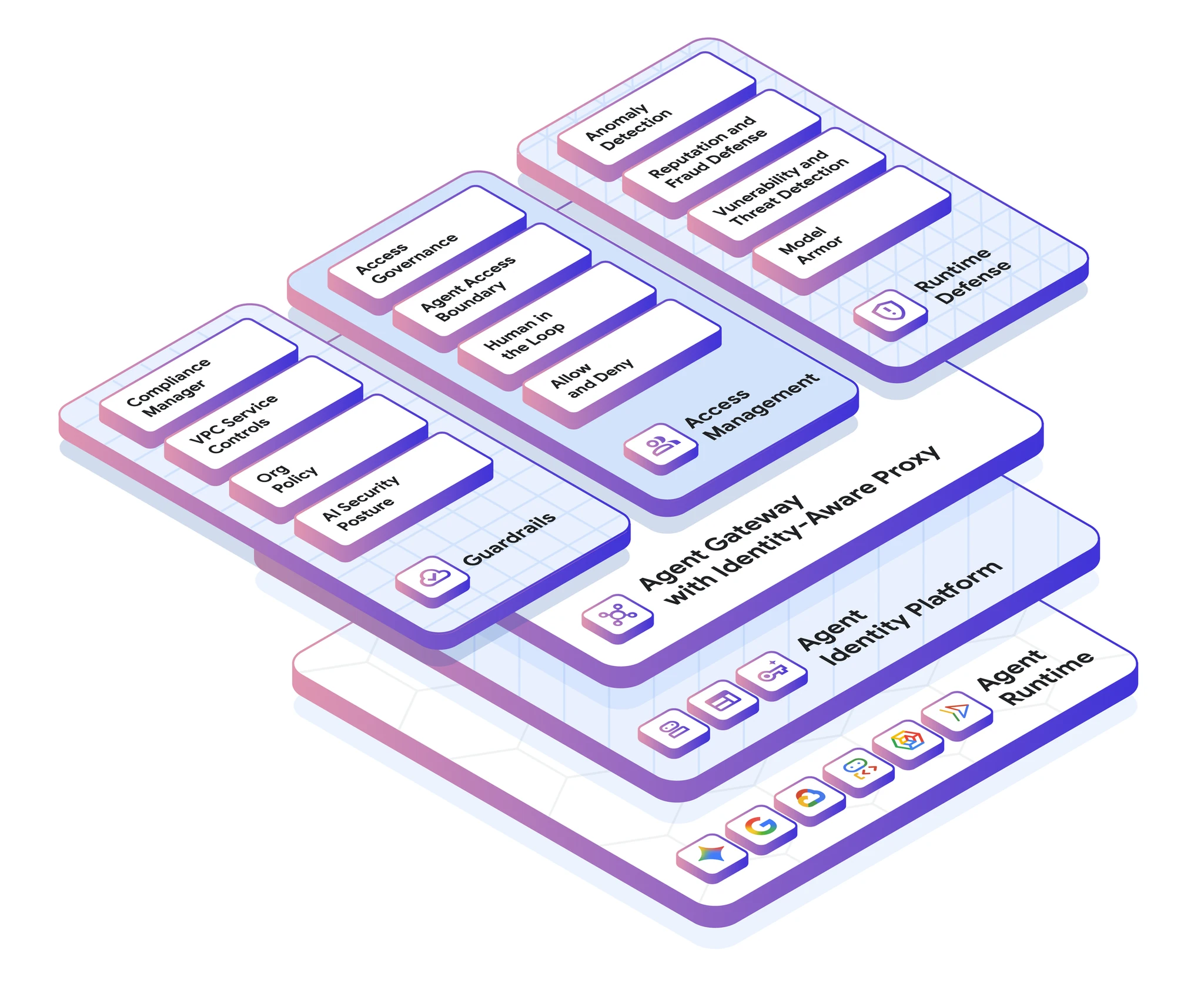
An autonomous agent should not hide behind a shared account or permanent token. A verifiable first-class identity shows which system acted, on whose behalf, and which resources it may access.
A central gateway for agent-to-tool traffic can enforce least privilege, contextual limits, and human approval. Non-repudiable audit trails and hard access boundaries make dormant permissions easier to control.
The agent identity lifecycle
Agent identity should be issued with its execution environment and revoked when the task ends. Long-lived or shared credentials weaken accountability. Short-lived identity bound to the runtime limits token theft and reuse.
Permissions should follow the task objective. An agent created to read a case should not be able to delete or publish it. Time limits, data scope, and human approval for sensitive actions can be encoded in access policy.
Audit records should connect agent identity, represented user, tool, data source, and operation result. That relationship is essential for incident response, compliance review, and tracing a faulty decision.
Delegated access differs from the agent's own access
An agent reading a case on behalf of an employee must respect both the employee's permissions and its own narrower permissions. Neither should bypass the other. If the employee cannot view a document, the agent's repository connection must not retrieve it; if the agent was built only to summarize, the employee's broader rights must not give it edit or send access.
Record each tool connection's scope, lifetime, and revocation method. Short-lived tokens alone are insufficient if an agent uses an unrestricted gateway. During security testing, deliberately attempt out-of-scope requests and user-permission bypasses, then verify they are denied and logged.
Check permission at every tool call
Security goes beyond issuing permissions. Prompt injection, tool poisoning, and data leakage must be monitored in the execution path, with a rapid way to block a suspicious identity or connection.
This Liyan Knowledge article is an editorial synthesis based on the original source.View original source