
Legal intelligence requires governance
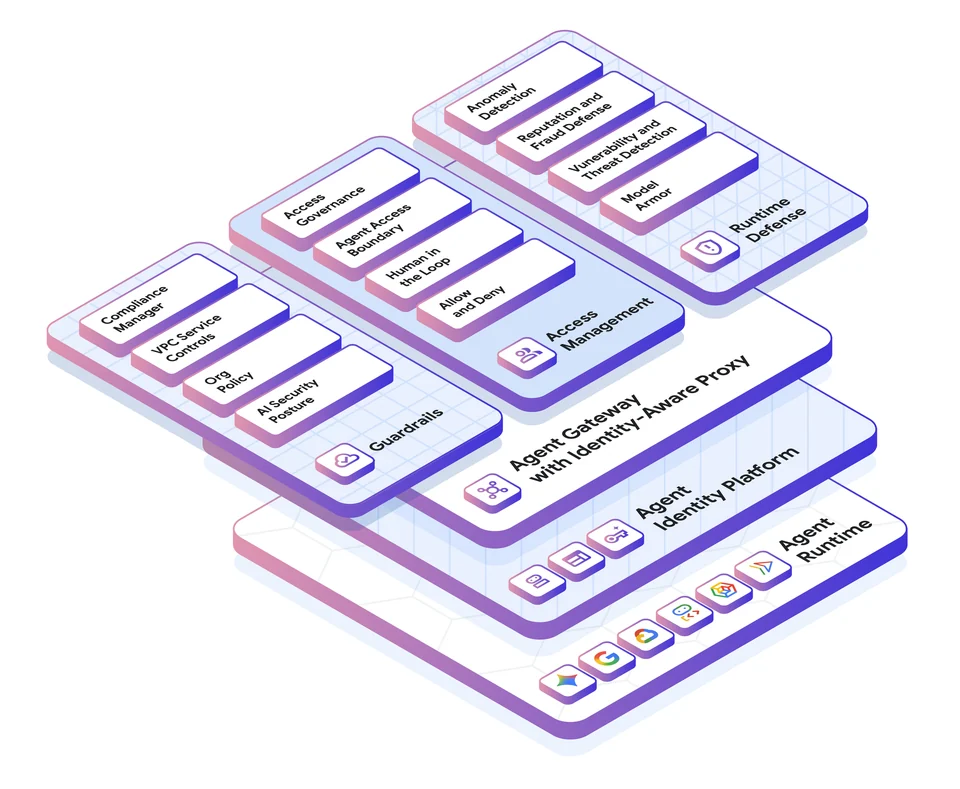
Legal work operates inside privileged information, ethical walls, and matter-specific permissions. A general model alone cannot meet those obligations; the surrounding system must combine domain skills, secure connections, and access control.
Purpose-built skills can standardize contract review, regulatory monitoring, and document discovery. Connections to matter systems should inherit existing permissions, and every answer should remain traceable to supporting sources.
Designing for confidentiality and citation
In legal systems, an answer without reviewable citation has limited value. Every claim should connect to a contract clause, ruling, or internal document, and the user should be able to inspect the source in context. That improves review speed and accountability.
Ethical walls and matter permissions must be enforced during retrieval. Even when the model is shared, each user context should contain only documents that user may access in the source system. Copying data without carrying permissions creates significant risk.
Success is not simply the number of summarized documents. Accuracy in identifying risky clauses, attorney review time, correction rate, and compliance with legal deadlines are stronger measures of system value.
From contract review to an answer with evidence
In contract review, a useful output is more than a summary. The system should show the relevant clause, how it differs from the approved playbook, and why it was flagged; counsel then decides whether a change is needed. If there is an attachment or revised version, the answer must identify which document was reviewed.
Privacy requests and matter search also depend on access boundaries. A secure connector should preserve source-system permissions and record which documents supported the result. Before broad use, measure clause-finding accuracy, review time, and the cases where a professional corrected the output. Greater speed without reviewability creates little durable legal value.
Keep professional review in the workflow
AI should reduce repetitive effort rather than remove professional judgment. High-risk outputs require expert approval, change records, and explicit policies for confidentiality and data use.
This Liyan Knowledge article is an editorial synthesis based on the original source.View original source