A successful backup is not enough
A successful backup job does not prove an organization can recover after failure or an attack. CISA's ransomware guide emphasizes protected copies, offline backups, and regular recovery testing. Healthy data must be available and usable when the organization needs it.
A backup deletable through the same accounts as production may be lost with the live environment. Restrict access and separate the storage path. Also identify how applications, configuration, and other service startup requirements will be recovered.
Plan the return to operation
Rank services by the business effect of downtime. A payment system and a rarely used report have different consequences. Ask each business owner to define tolerable data loss and outage duration so engineering has explicit design targets.
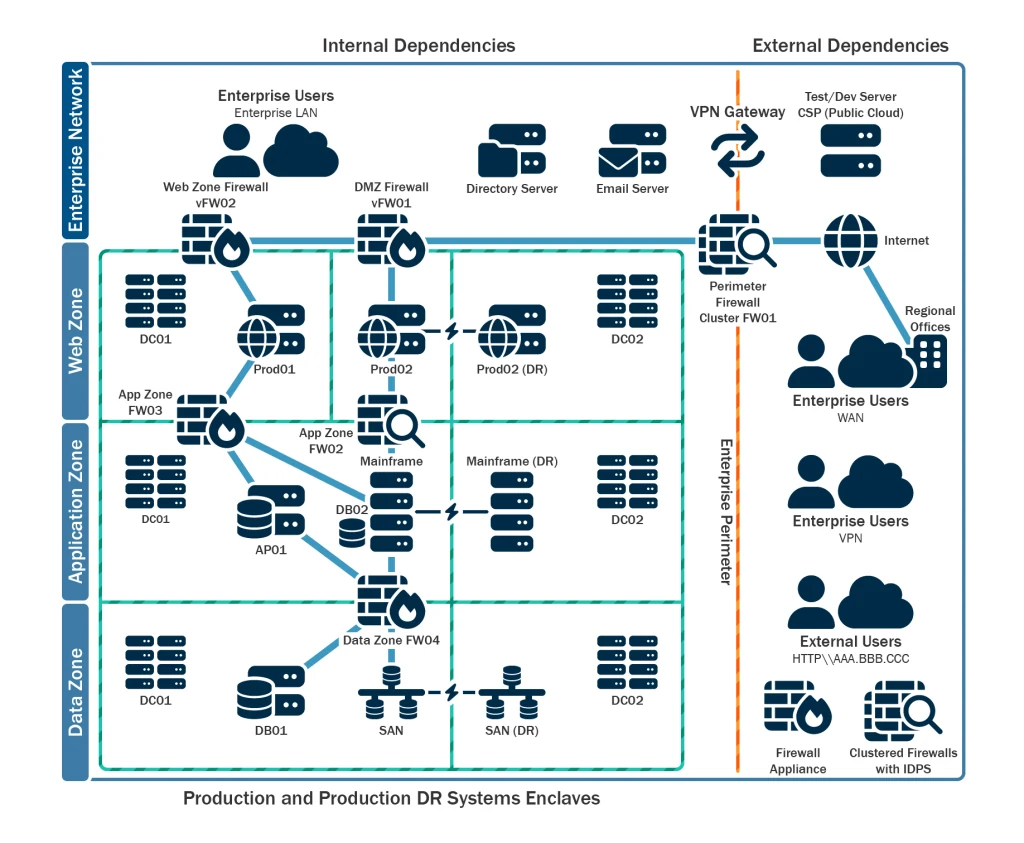
Recovery includes dependencies. A healthy database may be insufficient without identity services, certificates, networking, or an external provider. Document the startup order and required information, keeping the recovery instructions accessible outside the vulnerable environment.
Exercise restoration in an isolated environment and go beyond opening a file. A user should complete a representative operation such as submitting an order or viewing a case. Record actual duration, data loss, and unexpected failures to expose gaps in the plan.
Perform a real restoration
Start with one important service and restore it through user acceptance. Compare the result with business targets and fix missing steps. Repeating the exercise turns confidence in backup jobs into demonstrated ability to resume service.
Practical explanations and recommendations are Liyan Knowledge editorial analysis.Sources: CISA — #StopRansomware Guide
This Liyan Knowledge article is an editorial synthesis based on the original source.View original source